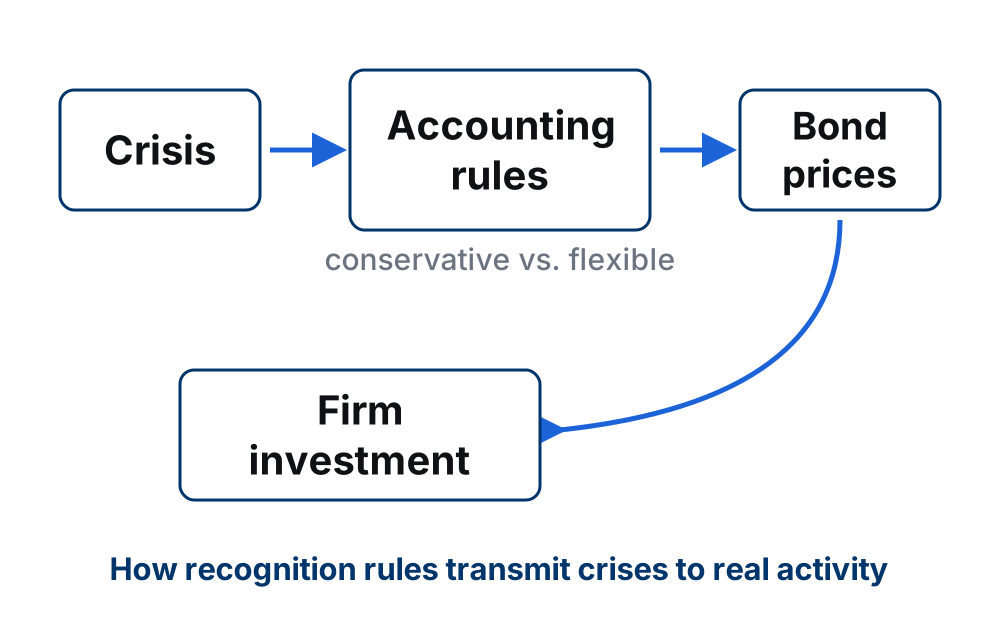
We study whether corporate bonds held by insurers suffer smaller price drops in crises because of the accounting rules applied to these bonds or because of the intrinsic characteristics of the holding institutions. In a three-period model, historical-cost (HCA) insurers can continue to report an impaired bond at amortized cost. In contrast, mark-to-market (MTM) insurers must immediately book the loss. Since only realized losses reduce regulatory capital and can trigger asset sales, insurers' selling decisions, and the prices they help sustain, differ precisely where their statutory accounting treatments diverge.
Using bond-level holdings data, we find that a one-standard-deviation increase in insurer ownership reduces crisis-period drawdowns by 0.3 percentage points, about 3 percent of the average crisis decline. Even within the same insurance group, a P&C subsidiary is roughly 7 percent more likely than its Life affiliate to sell a speculative-grade bond they both hold. This gap vanishes when their accounting rules are aligned. Moreover, for the average firm in our sample, a 10-percentage point increase in insurer ownership corresponds to roughly $165 million more in annual post-crisis investment. These results indicate that during a crisis, the recognition rules applied to bondholders determine which investors are forced to sell into declining markets and which are able to hold, with significant implications for the firms whose bonds they hold.
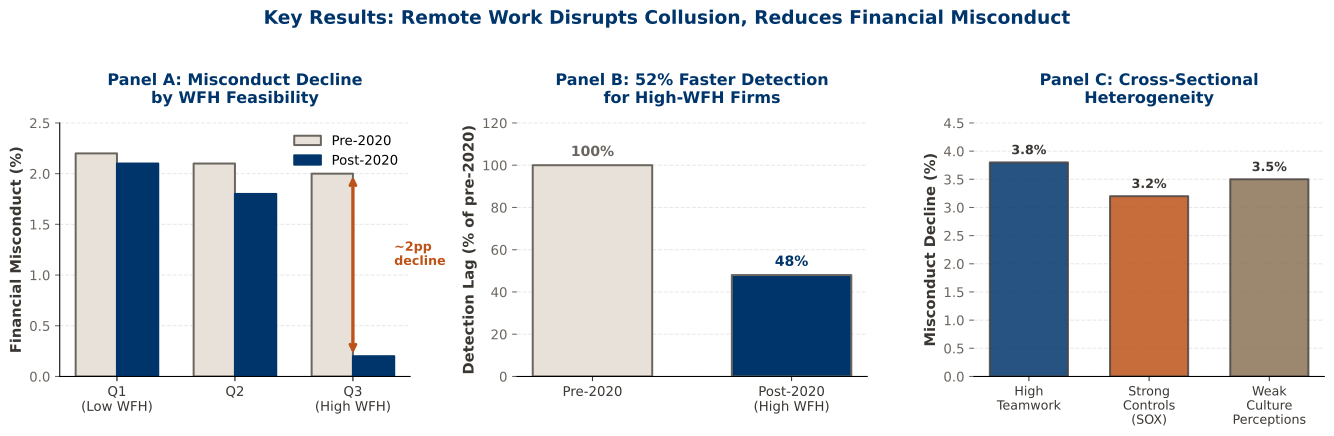
Financial misconduct is often a team activity, facilitated by face-to-face interactions, shared norms, and trust. We exploit the sudden shift to remote work during COVID-19 to examine how workplace organization shapes collusion and financial misconduct. Using a novel firm-level measure of work-from-home feasibility, we find that firms that are more able to operate remotely experienced large post-2020 declines in misconduct. This decline is found across multiple misreporting proxies and is robust to various alternative measures of remote work. Cross-sectional tests indicate stronger declines in teamwork-intensive firms, firms with effective internal controls, and firms with weaker pre-COVID employee perceptions of culture and leadership, consistent with environments more reliant on dense in-person relational coordination. Overall, our findings reflect that financial misconduct is a team activity, sensitive to the organizational structure of the firm, with important implications for governance and organizational design.
with Jung Ho Choi, Yael V. Hochberg, Jinhwan Kim and Miao Liu
Abstract
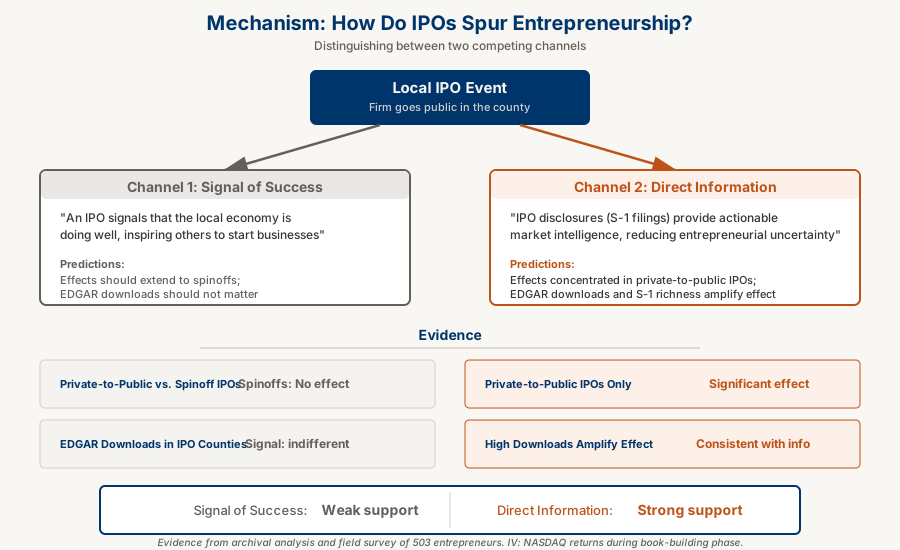
We examine the spillover effects of local initial public offerings (IPOs) on new business formation. An IPO in a local area is associated with a 1%–4% increase in new business registrations, and this effect is particularly pronounced in counties facing higher economic uncertainty. New business registrations are significantly influenced by the extent of EDGAR downloads related to the IPO firm's public disclosures and the information in the IPO firm's S-1 disclosure. The findings highlight the role of IPOs in conveying crucial information through signaling of potential success prospects and additional provision of information through disclosures. A field survey of 503 entrepreneurs further supports these conclusions.
with Jung Ho Choi, Carolyn Deller, Joseph Pacelli and Heidi A. Packard
Abstract
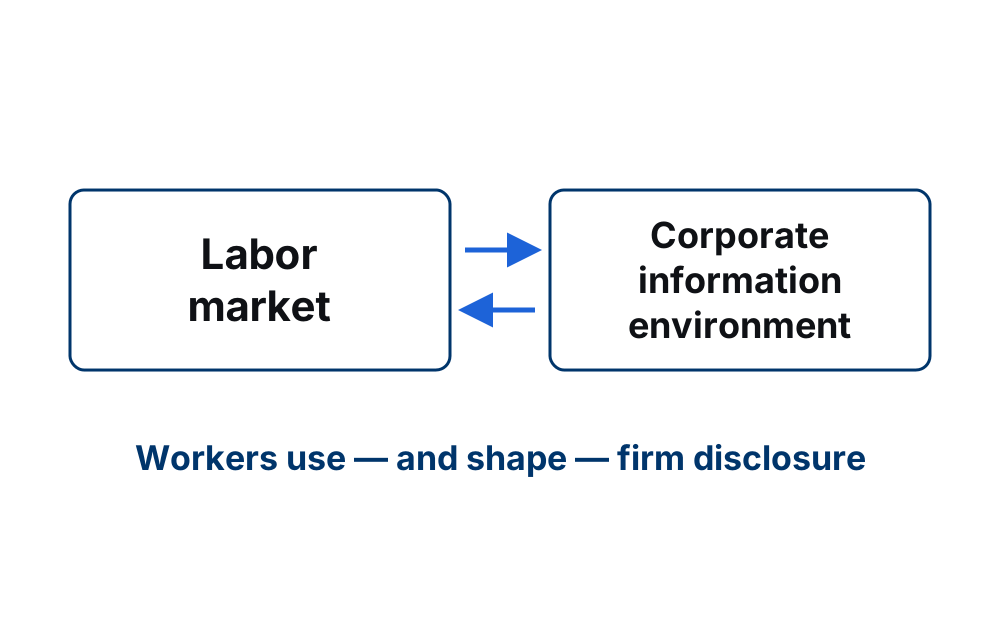
This survey analyzes literature at the intersection of corporate disclosure and labor economics. While accounting research has long studied how executives and directors influence corporate reporting, recent work has started to explore lower-level employees, e.g., the “rank-and-file,” as both producers and users of corporate information. We introduce a Labor Life Cycle (LLC) framework to organize employment relationships into four stages: Human Capital Development, Search and Matching, Employment and Productivity, and Turnover and Retirement. At each stage, we outline the principal economic theories, map them to the accounting research, and then identify open questions. Three themes emerge from our review. First, rank-and-file labor shapes the corporate information environment: workforce quality, compensation, and stability are first-order determinants of reporting and audit outcomes. Second, financial reporting affects the labor market, influencing job search, wage bargaining, and mobility. Third, the feedback loop between reporting and labor decisions (i.e., when disclosure affects employment and employment affects disclosure) remains a central open question. The LLC framework provides accounting researchers with a structured introduction to the economic theories that underpin work on rank-and-file employees as well as identifies findings and open questions where accounting researchers are well-positioned to contribute.
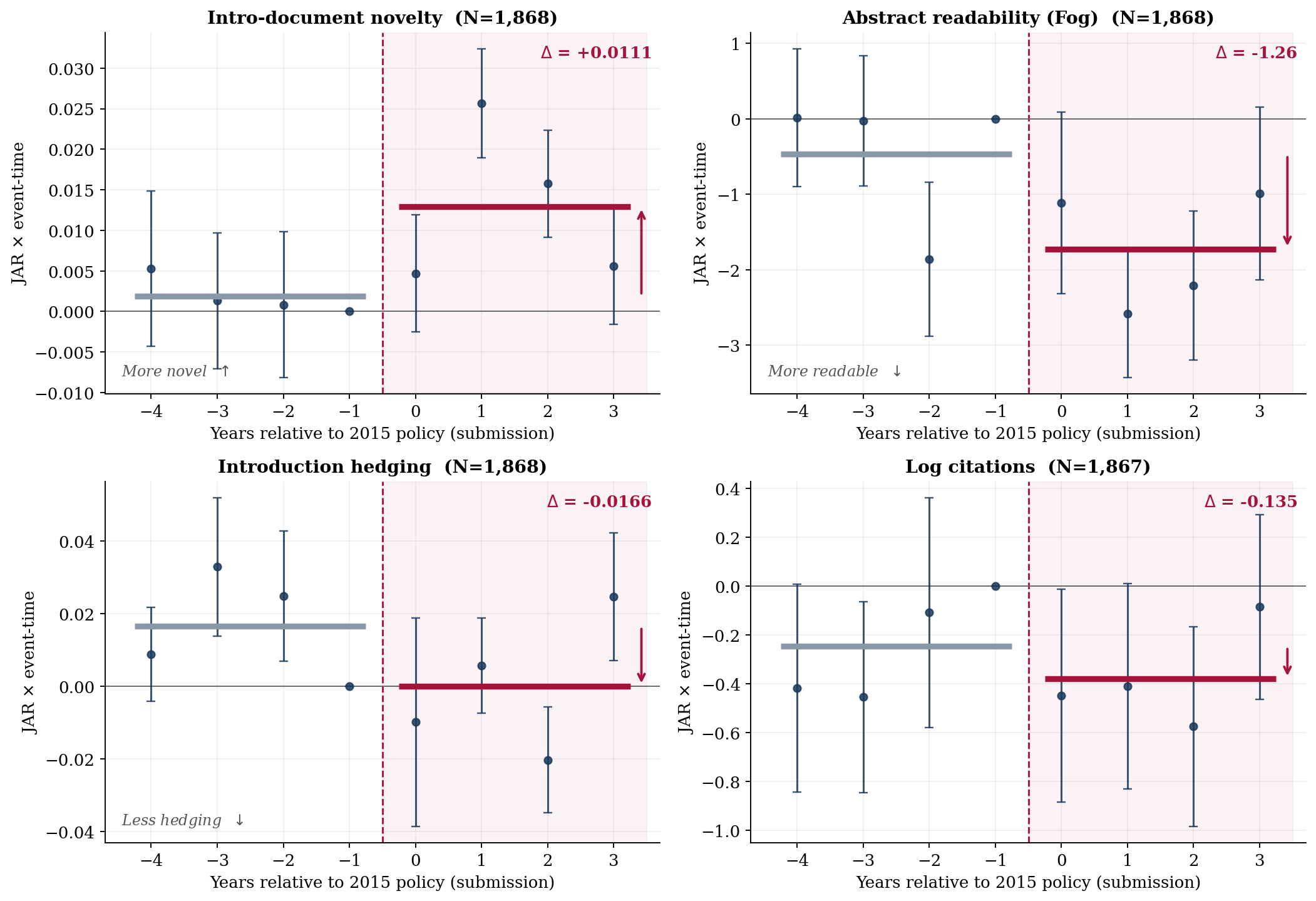
We examine how research changes when a journal requires authors to document their data and provide the code used to build their samples. The Journal of Accounting Research (JAR) introduced this requirement for all empirical submissions in January 2015, while its closest rivals did not. We study roughly 4,600 articles from six journals around the policy change.
Consistent with disclosure limiting authors' discretion, JAR papers published after the mandate are easier to read, rely less on hedging language, and report results more comprehensively. The reduction in hedging is largest for studies with the weakest headline results. Consistent with the policy changing who submits, JAR moves toward more novel work from scholars at top research universities; its articles receive fewer citations overall, but from more prominent outlets. The writing effects are absent from exempt theory articles and reappear when another journal adopts a comparable requirement. In sum, increasing the openness of the research process influences not only what can be checked and reproduced, but also what gets written and who ultimately publishes in which outlets.
with John Campbell, Ryan Grant Johnson and Christine Liu
Review of Accounting Studies (Conditionally Accepted)
Abstract
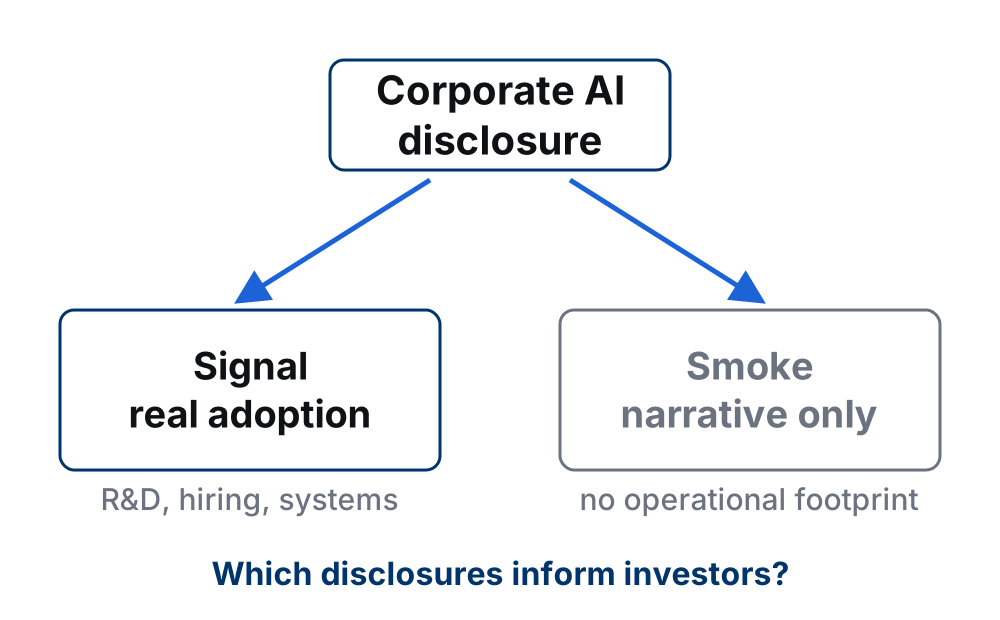
Artificial Intelligence (AI) has emerged as a General Purpose Technology (GPT), yet significant uncertainty around firms’ AI investment remains because the complementary investments required to realize its returns are largely intangible and difficult to verify. We examine the characteristics of firms that disclose AI activities, and whether these disclosures provide credible signals of firms’ underlying AI investments and their future economic outcomes. We document several key findings. First, firms that disclose AI activities are generally innovative, operate in AI-intensive industries, and face greater investor scrutiny. Second, AI disclosures are positively associated with subsequent operational efficiency and AI patent filings, even after accounting for firms’ investment in AI human capital. This indicates that disclosure not only provides a signal about a firm’s AI investment levels, but also about managers’ confidence in the expected returns of the investment. In cross-sectional tests, we find that AI disclosure appears to provide stronger signals when disclosure is about the use of AI in a firm’s products and services and when firms operate in industries that are less expected to use AI, and weaker signals when firms appear to be outsourcing their AI capabilities. Overall, our findings suggest that AI disclosures are informative about firms’ underlying AI investments and managers’ confidence in their payoffs, and that financial statement users could benefit from AI human capital disclosure.
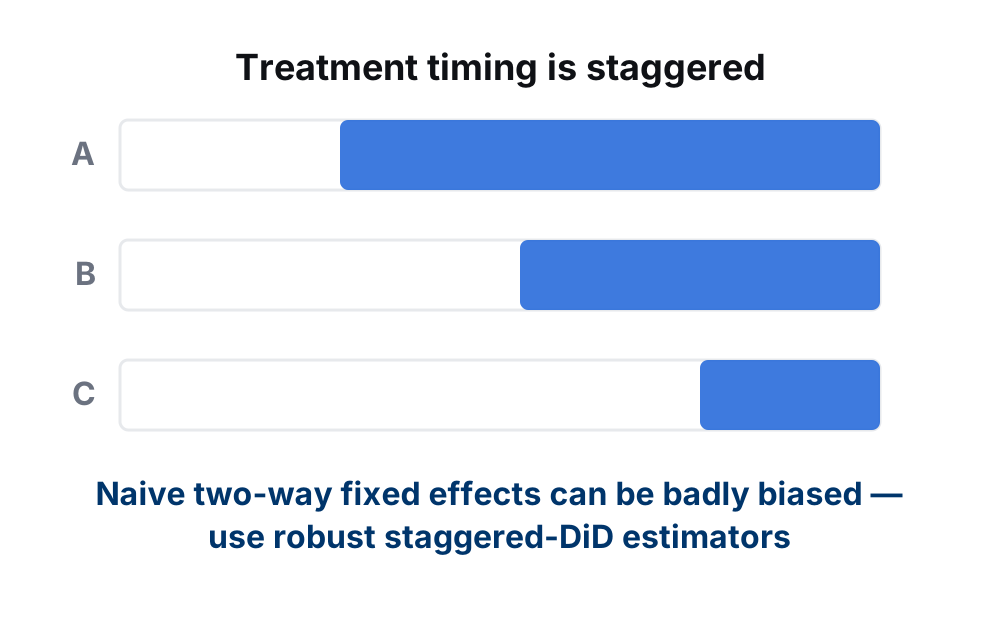
I present the staggered difference-in-differences (DiD) method in accessible language to a broad accounting audience from an applied researcher's perspective. I begin by synthesizing recent advances in the econometrics of DiD designs in which multiple units receive treatment at different points in time. Using the Goodman-Bacon decomposition, I illustrate how heterogeneous treatment effects can bias the treatment effect estimate in a staggered DiD estimated with a two-way fixed effects regression. Using the staggered adoption of the 150-hour Rule as an example, I demonstrate several diagnostics and corrections that the econometrics literature has put forward. I close by reviewing what has changed in this literature since its first wave and translating the guidance into a step-by-step checklist that researchers, reviewers, and editors can use to evaluate staggered DiD designs.
Revision Requested: Journal of Financial Economics
Abstract
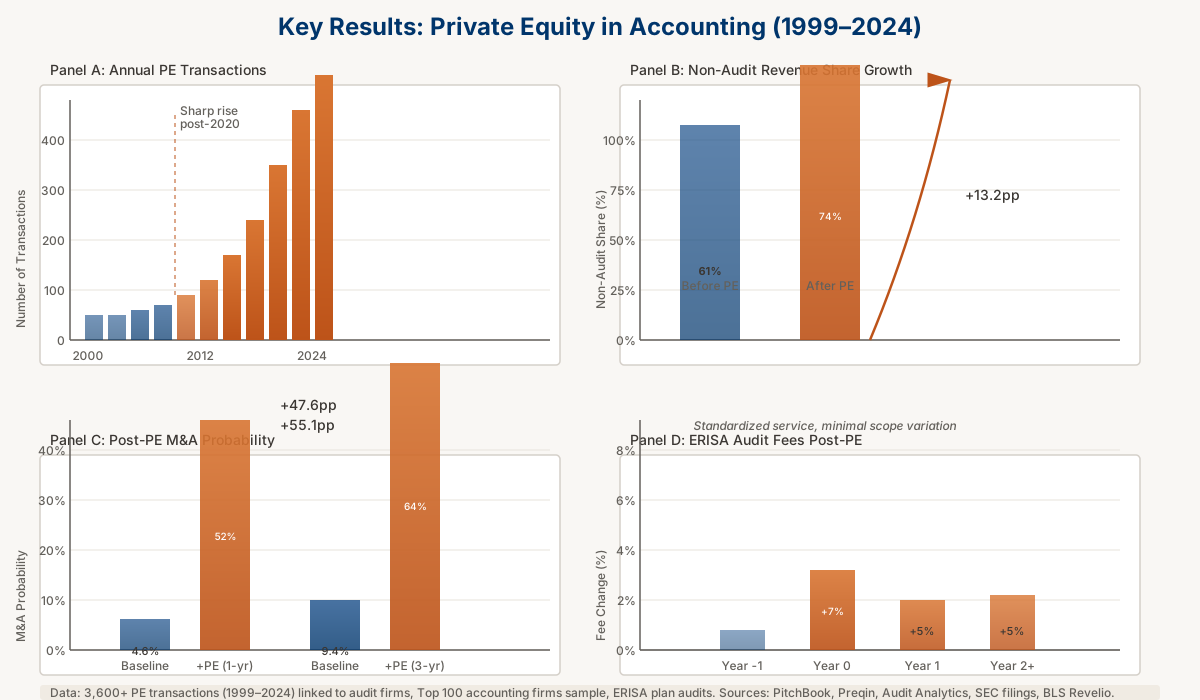
Private equity (PE) has expanded rapidly into professional services, raising questions about competition, labor markets, and professional independence in traditionally licensed, reputation-based, and partnership-controlled sectors. We study these issues in accounting using data from 1999–2024 that link more than 3,600 PE transactions to firm organization, labor-market outcomes, and audit pricing. PE investment increases sharply after 2020 and extends to both CPA-licensed audit firms and non-CPA advisory practices, with activity concentrated in large mid-tier firms. After PE entry, firms grow faster: non-audit revenues rise, employment expands, and cross-state mergers and acquisitions accelerate, consistent with platform building and consolidation. These organizational changes have market-level implications. PE investment increases labor-market concentration in key accounting occupations and raises audit fees in ERISA engagements, a highly standardized setting where regulation fixes scope and effort, isolating price effects consistent with increased market power. Our results show that in professions, private equity does not simply reorganize firms, it relaxes constraints on scale in ways that directly reshape competition and professional independence.
Imitation or Information? Strategic Mimicry in Earnings Conference Calls
with Khrystyna Bochkay, Roman Chychyla and Sundaresh Ramnath
Revision Requested: Journal of Accounting and Economics
Abstract
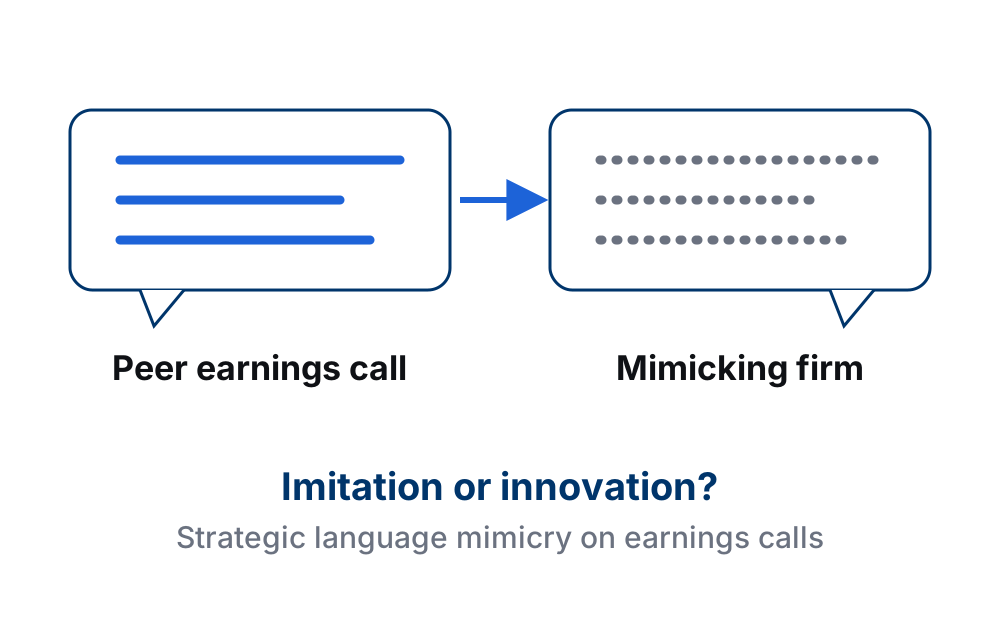
We examine whether and how firms mimic peers' disclosures in earnings calls, integrating theories of informational cascades, herding behavior, and institutional isomorphism within a Bayesian disclosure framework. We develop a state-of-the-art semantic similarity measure based on large language models to capture subtle similarities in earnings call language. Exploiting the staggered timing of earnings calls, we find that firms adopt disclosure language resembling that of peers whose earlier calls elicited positive investor reactions, particularly in portions of the discussion that are more qualitative (less numbers-heavy), that exhibit a more positive tone, and that discuss performance. While this mimicry yields immediate benefits, generating more positive short-term market responses around the mimicking firms' own earnings calls, it is associated with weaker subsequent operating performance and has no association with capital investments. Our findings highlight an underappreciated strategic dimension of corporate communication: firms can monitor competitors' successful narratives and actively update their disclosure strategies to influence short-term investor perceptions.
with Brian C. Fujiy, Petro Lisowsky and Michael Minnis
Abstract
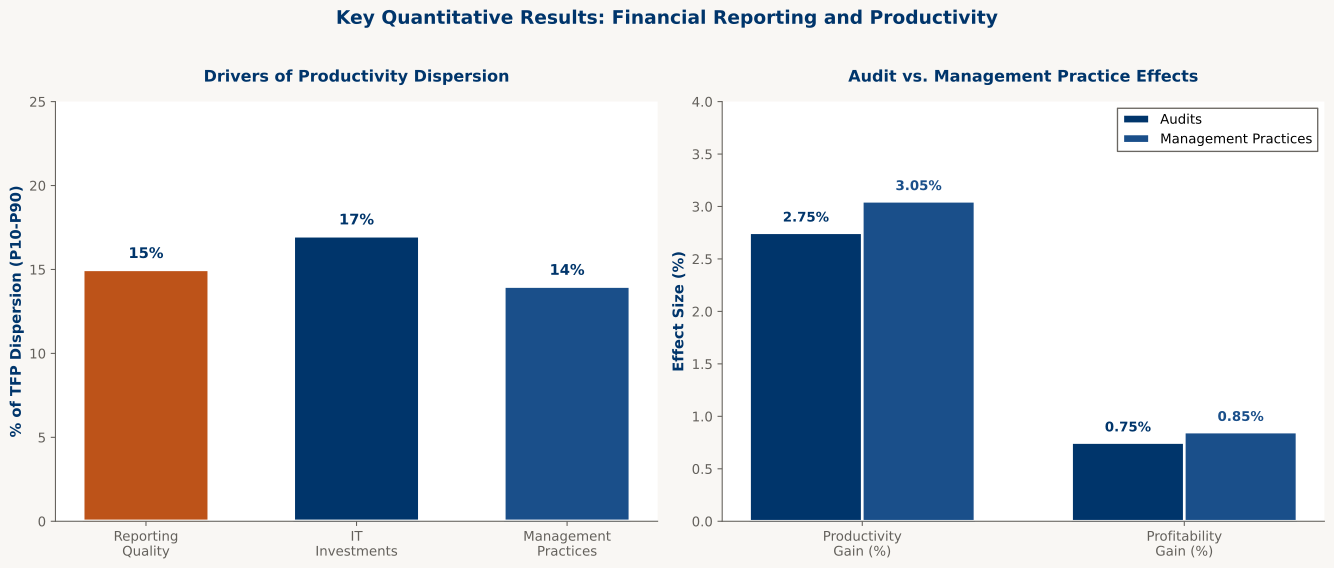
We examine how differences in financial reporting practices shape firm productivity. Using comprehensive data from the U.S. Census Bureau, tax return data from the Internal Revenue Service (IRS) and detailed financial records from Sageworks, we find that variation in reporting quality explains 10–20 percent of intra-industry total factor productivity dispersion. Leveraging new audit questions in the U.S. Census Bureau's 2021 Management and Organizational Practices Survey (MOPS), we find evidence of complementarity between the effects of financial audits and management practices to drive firm productivity. We then examine the underlying mechanisms. First, audits function as a managerial technology, improving the precision of internal information and raising efficiency, with stronger effects in competitive, low-margin industries and among younger firms. Second, exploiting cross-state variation in tax incentives, we show that audits constrain underreporting and mitigate the downward bias in measured productivity. Together, these results highlight the underrated importance of financial reporting quality driving firm productivity.
with Filippo Lancieri, Joshua Levy, Shashank Singh, Tommaso Valletti and Luigi Zingales
Abstract
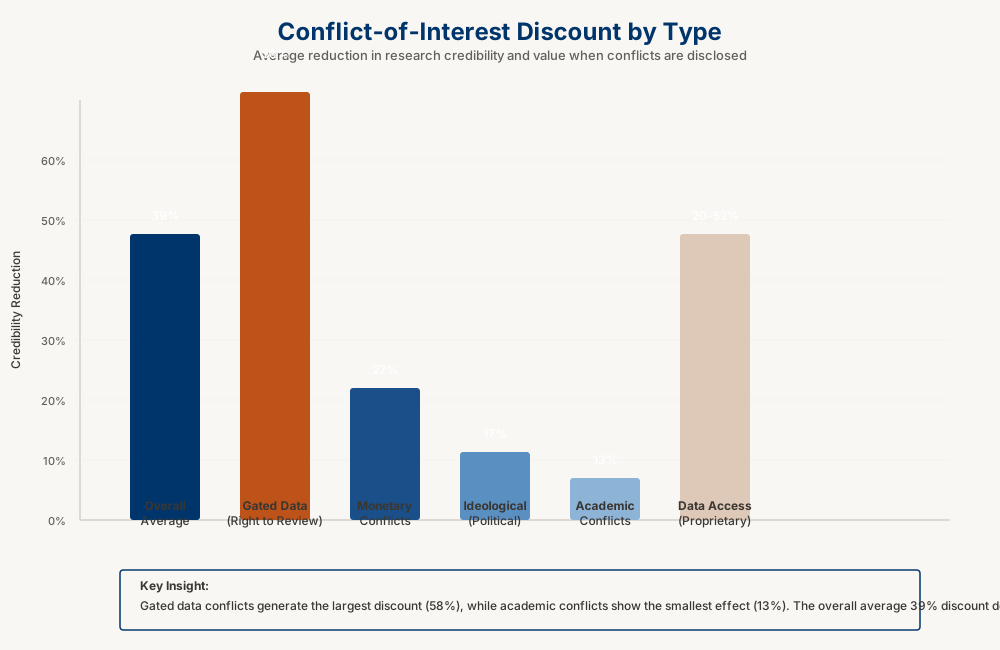
We examine how conflicts of interest (CoI)—financial, professional, or ideological stakes held by authors—affect the perceived credibility of economics research. A randomized survey of economists and the US public shows that CoI reduces trust in findings by 28%, with variation by conflict type. We model the "CoI Discount," estimating that conflicted papers are worth 39% less than non-conflicted ones. These findings are validated through disclosure and citation analysis, a medical meta-analysis, and large-language model simulations. Our results highlight a credibility gap in economics research that is not eliminated by current disclosure practices.
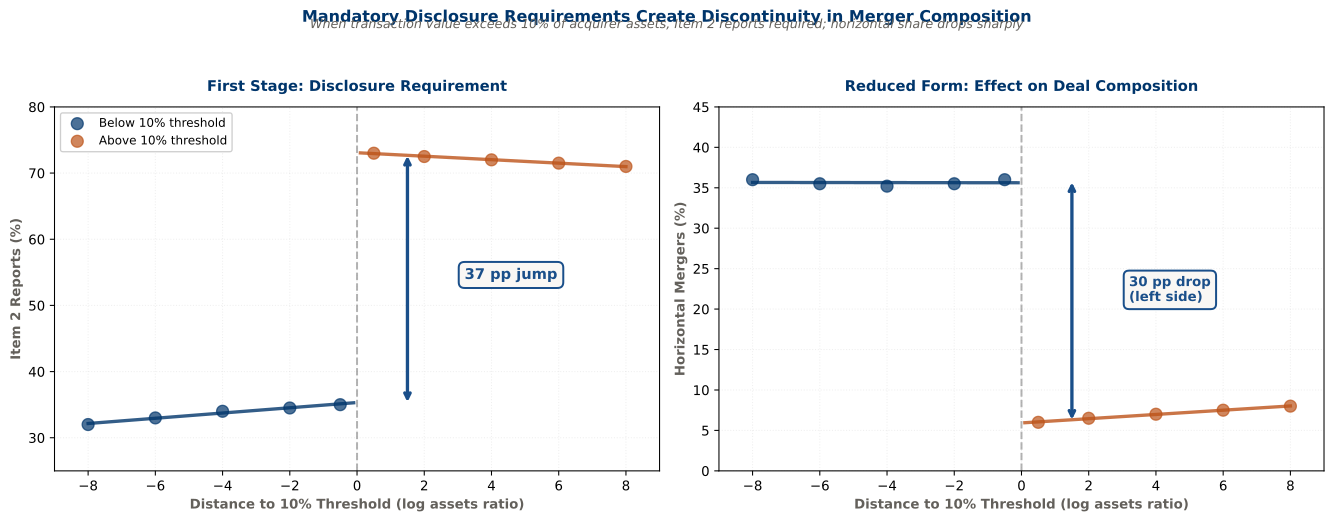
Antitrust authorities search public documents to discover anticompetitive mergers. Thus, investor disclosures may alert them to deals that would otherwise go undetected, creating disincentives for managers to divulge certain transactions. We study this behavior in publicly traded US companies. First, we employ a regression discontinuity approach to estimate the effect of mandatory disclosures. We find that releasing information to investors poses antitrust risk. Second, we introduce a method for measuring undisclosed mergers that relies on financial accounting reporting requirements. We find that undisclosed mergers total $1.85 trillion between 2002 and 2016.
with Jeremy Bertomeu, Radhika Lunawat and Ibrahima Sall
Revision Requested: Accounting, Organizations and Society
Abstract
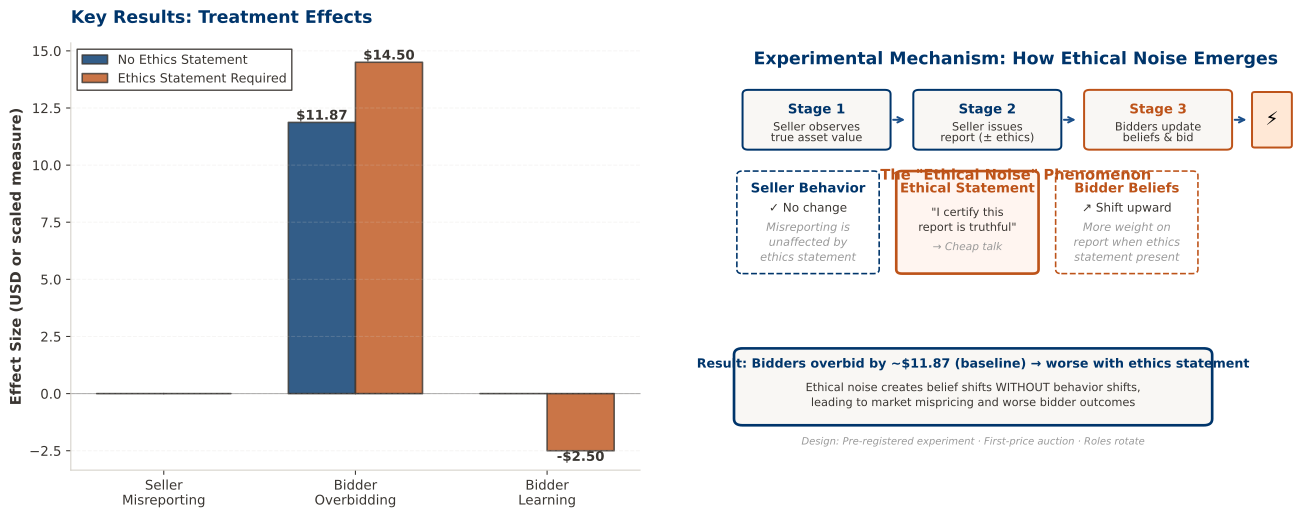
We study how ethical declarations shape market behavior using a laboratory setting where privately informed sellers issue reports before a first-price auction. Signing an ethical statement does not meaningfully reduce sellers' misreporting. Instead, it shifts beliefs: bidders place more weight on reports and bid more aggressively, moving surplus toward sellers. Bidders do not fully undo reporting bias and, when an ethical statement is present, learn more slowly about the seller's strategic behavior. Using a structural model of heterogeneous lying costs, we show that markets would be more price-efficient if bidders rationally internalized the distribution of lying costs. However, disclosure interventions aimed at enhancing ethical conduct need not reduce bias and can disadvantage bidders. Instead, they introduce 'ethical noise': shifts in beliefs without corresponding shifts in behavior that distort market outcomes.
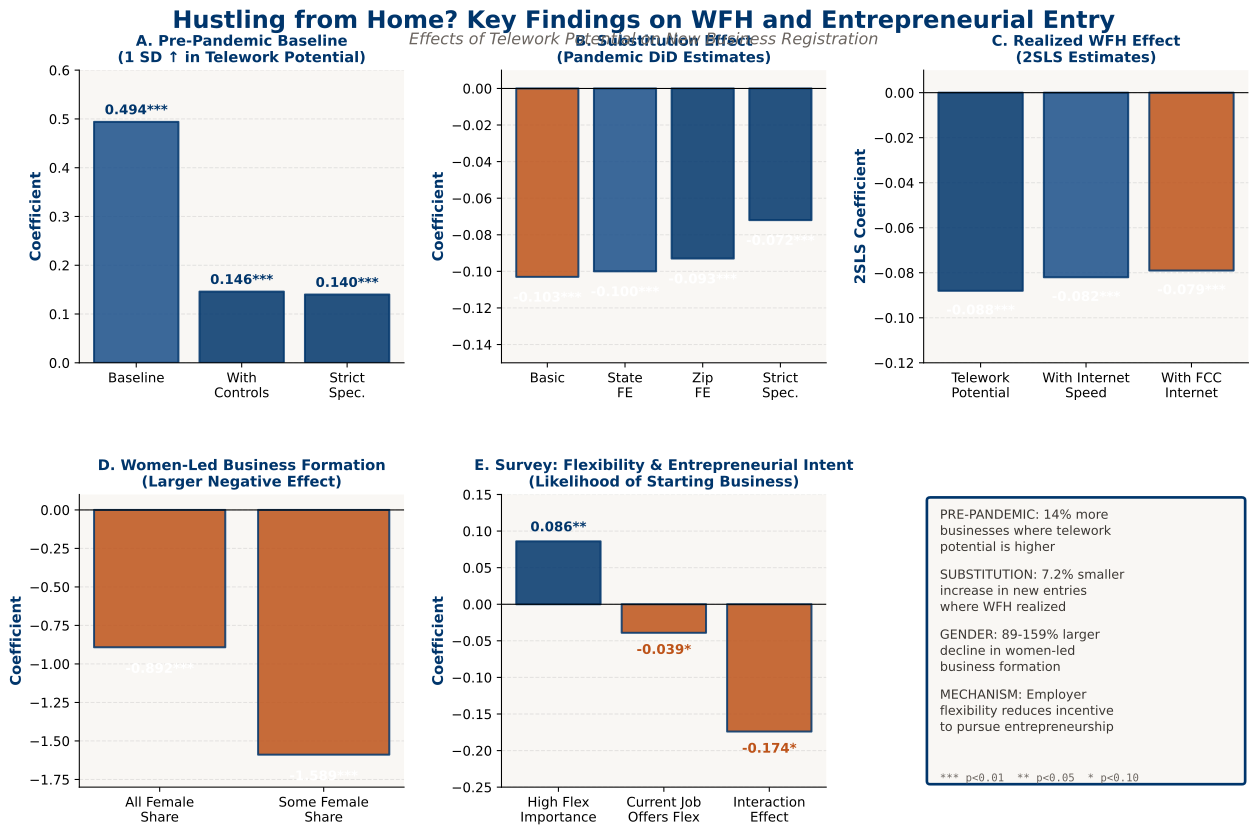
We study how the expansion of work-from-home (WFH) affects entrepreneurial entry using the COVID-19 pandemic as a natural experiment. Widespread adoption of WFH increases overall entrepreneurial entry but generates a clear substitution effect: areas with higher ex ante telework potential experienced notably smaller increases in new businesses. We propose and test a conceptual framework that emphasizes the substitution between employer-provided flexibility and entrepreneurship's traditional advantage in offering autonomy and flexibility. We find empirical evidence consistent with the model, with effects larger for those primarily motivated by flexibility, such as women. Survey evidence further confirms that employer-provided flexibility reduces entrepreneurial intent.
Revision Requested: Contemporary Accounting Research
Abstract
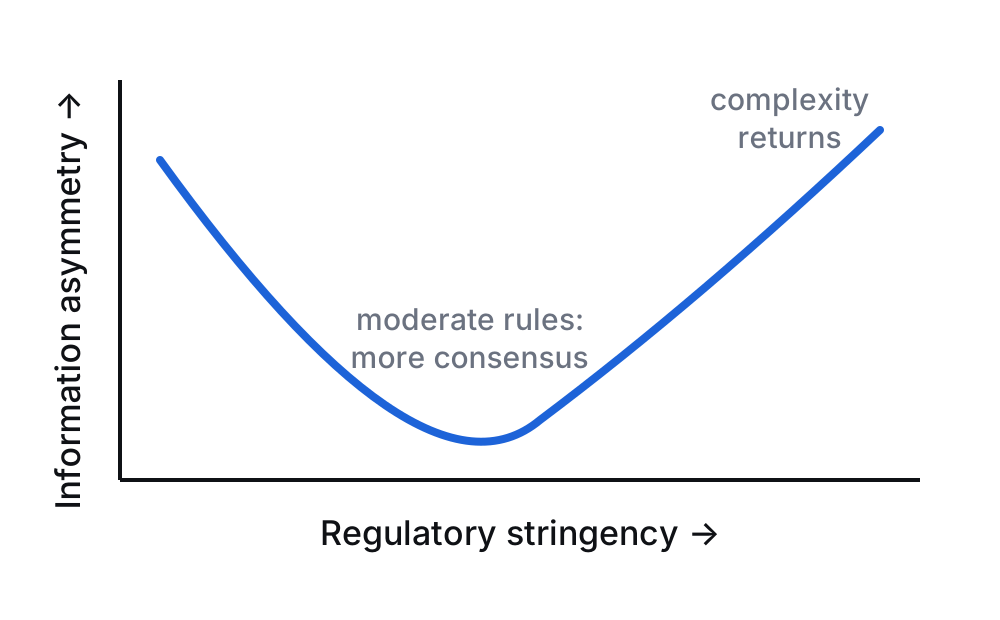
We examine how firms' aggregate regulatory exposure affects investor information asymmetry. Using a text-based measure of firm-specific exposure to federal regulations, we find that greater regulatory exposure reduces information asymmetry, as evidenced by narrower bid-ask spreads and decreased insider trading. This reduction arises because regulations constrain managerial discretion and stabilize firm operations, decreasing earnings volatility. However, these benefits weaken during periods of elevated policy uncertainty, under lax enforcement, and for politically active firms. Greater regulatory exposure also diminishes voluntary disclosures, suggesting regulatory constraints substitute for managerial transparency. Our findings highlight that the very regulations that raise firms' operating costs also make their markets more liquid, narrowing spreads by leaving investors less to disagree about.
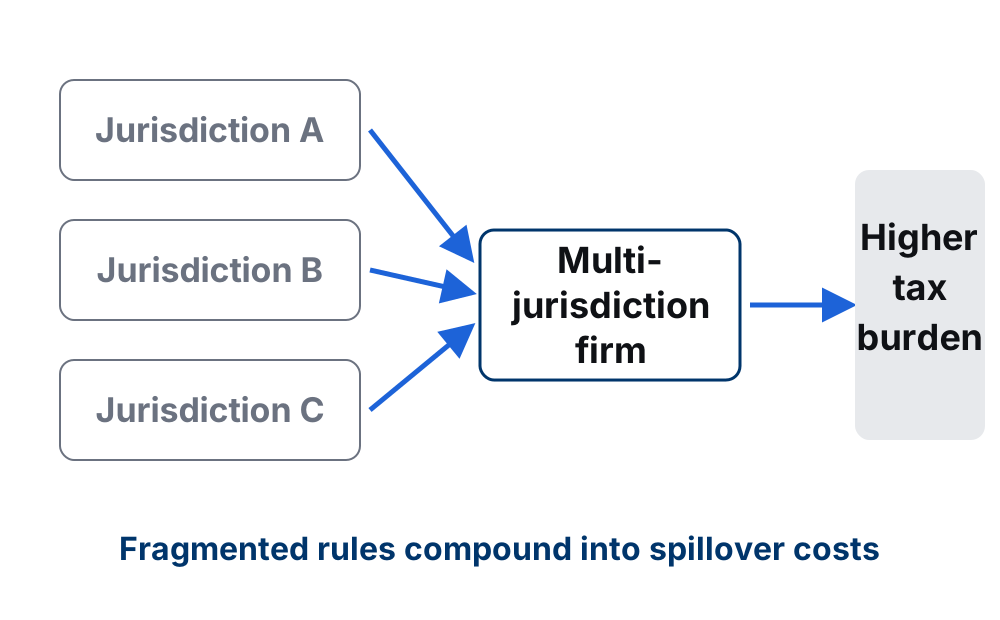
Increasingly fragmented corporation regulation in recent decades has raised the likelihood of regulatory oversight spillovers—the extent to which one agency's interactions with a regulated firm affects firm behaviors under the purview of another agency. We study how such spillovers can affect the mission of a specific regulator—the tax authority—using a measure of firm-specific exposure to fragmented regulation. Using a sample of publicly-traded U.S. firms, we document that fragmented regulation across non-IRS U.S. agencies is associated with higher effective tax rates, consistent with non-IRS oversight constraining tax planning, which is the purview of the tax authority. This association is robust to a variety of different research designs, including a shift-share approach. Importantly, we find that this association is driven by regulations and regulators that employ documentation collection as part of their enforcement mandates, suggesting that the potential for information sharing across regulatory agencies is a key mechanism underlying our findings. We also find that this relation is (i) increasing in the overall amount of regulation the firm faces, (ii) the relative absence of IRS auditing and alternative (e.g., capital market) monitors, and (iii) holds for both domestic and multinational firms. Collectively, our findings suggest that oversight from non-tax authority regulators can potentially enhance the tax authority's ability to enforce its mandate.
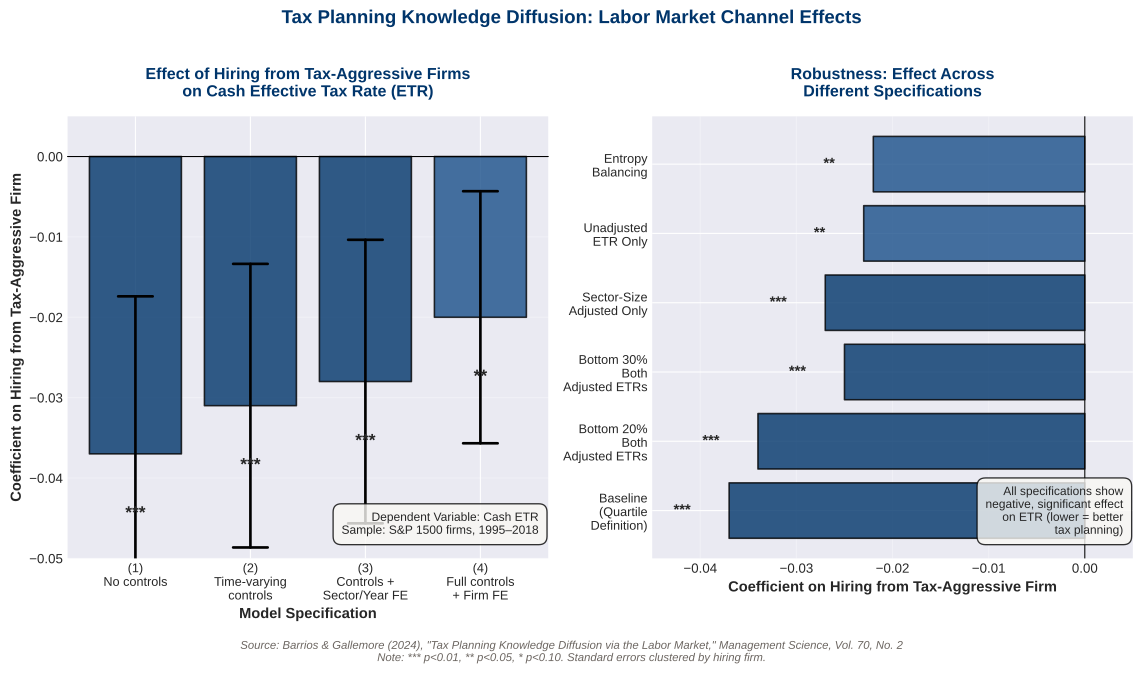
We examine the extent to which the labor market facilitates the diffusion of tax-planning knowledge across firms. Using a novel data set of tax department employee movements between S&P 1500 firms, we find that firms experience an increase in their tax planning after hiring a tax employee from a tax-aggressive firm. This finding is robust to various research designs and specifications. Consistent with tax-planning knowledge driving the result, we find that the tax-planning benefits are more substantial when the employee is involved in a director-level role and has more experience. Further tests suggest that tax-planning knowledge is highly specific in nature: the increase in tax avoidance is larger when the hiring and former firms are similar (i.e., operating in the same sector or having similar foreign operations), and firms are more likely to hire tax department employees from firms with similar characteristics. Finally, we do not find that the prior firm's tax planning changes after the employee leaves the firm, suggesting that the tax-planning knowledge simply spreads to the hiring firm and does not leave the prior firm. Our study documents the first order role of the labor market in the diffusion of tax-planning knowledge across firms, and our findings suggest that tax department human capital is a central determinant of tax-planning outcomes.
Better in Person? The Effects of In-Person Screening on Hiring Outcomes
with Laura Giuliano and Andrew Leone
Abstract
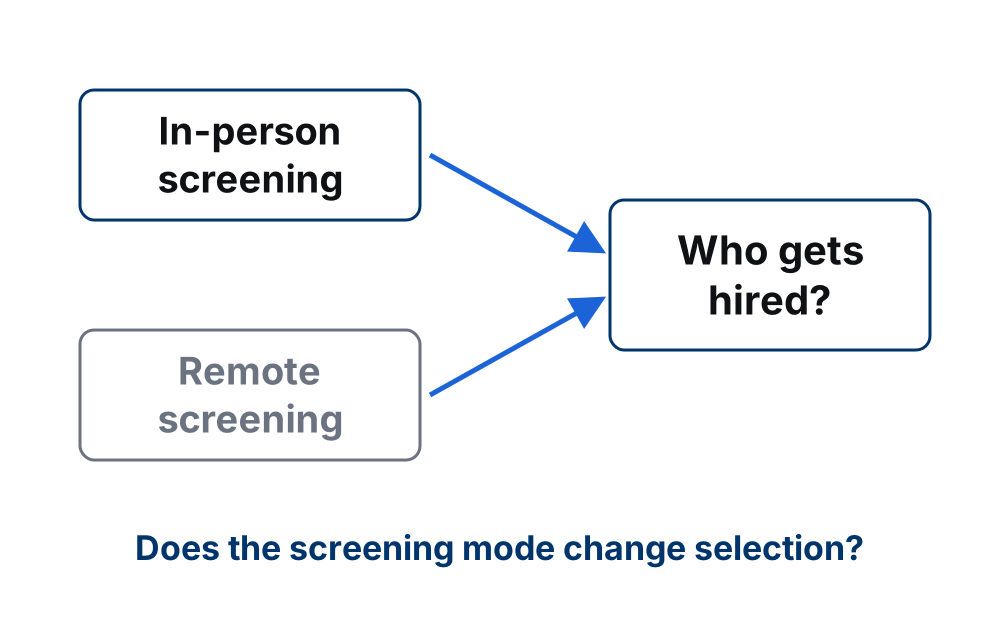
How are hiring decisions affected by a reduction in the cost of in-person job screening? In theory, this innovation could improve both efficiency and equity by reducing employers' use of stereotypes and imperfect quality signals (e.g., educational pedigree). But since greater weight might be placed on attributes like speech, appearance, or social skills, biases could be introduced or magnified. We examine the introduction of a labor-market intermediary, the Accounting Rookie Camp ("ARC"), that greatly facilitated in-person screening in the academic market for PhD accountants. Using 11 years of data on the supply, demand, and market outcomes for new PhDs, we estimate models that leverage variation in the timing of ARC adoption across both recruiting and degree-granting institutions. We find that ARC adoption reduced the importance of degree-school rank and adviser connections for obtaining a high-quality job, without lowering the bar for research productivity. However, ARC's equalizing effect occurred only within the predominant demographic group: males with English-sounding names. Between groups, ARC penalized candidates with non-English names and exacerbated placement gaps by gender. It also created a premium to physical attractiveness.
Virginia Law & Business Review · 2023Published22 citations
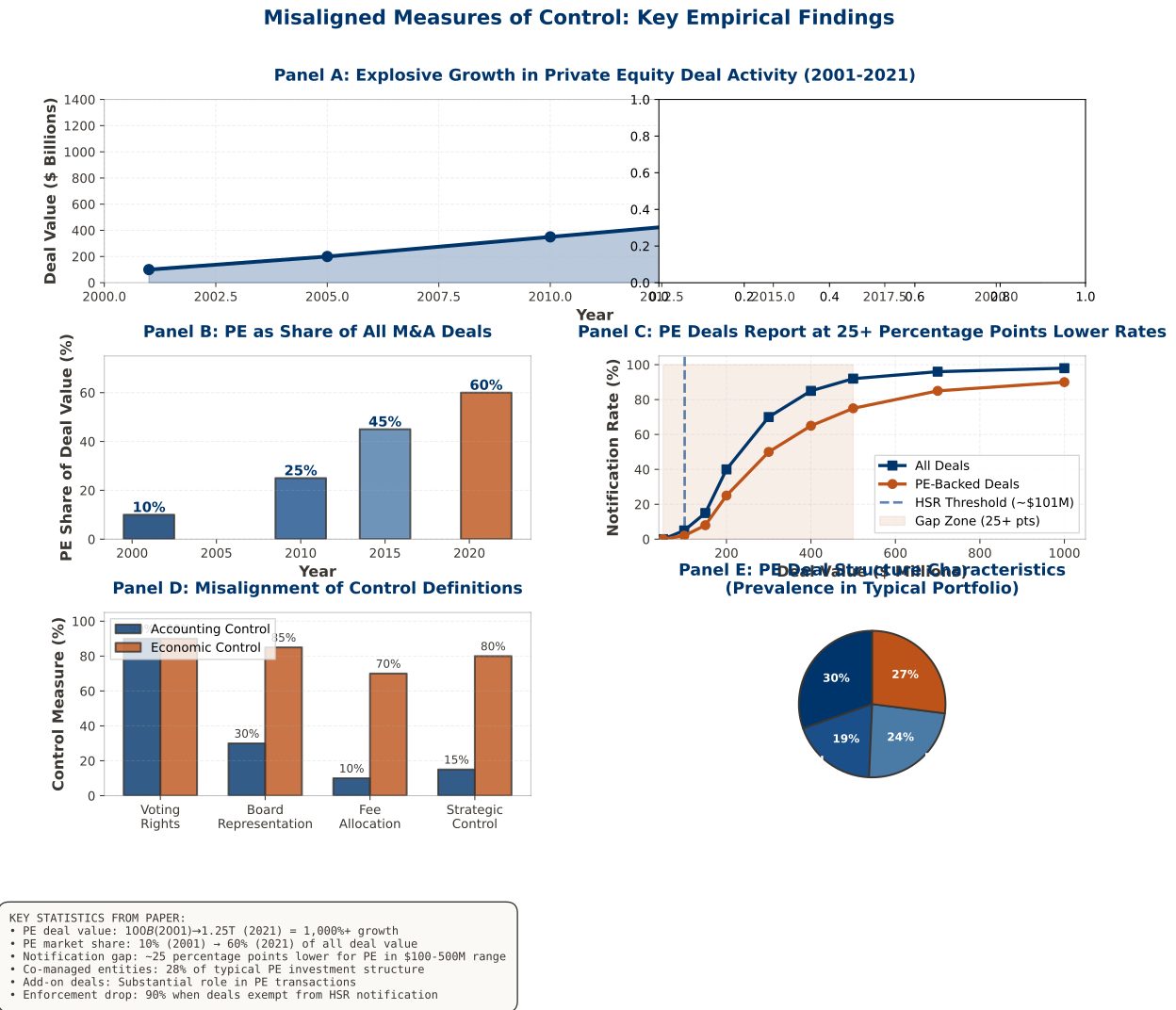
Agencies and legislators have raised concerns that acquisitions backed by private equity (PE) threaten competition, but few, if any, have offered explanations as to why they pose a unique threat. In this article, we argue that many PE-backed acquisitions may avoid antitrust enforcement because they escape detection. Under the Hart-Scott-Rodino Antitrust Improvements Act, parties intending to merge must notify federal authorities and wait for clearance. However, various exemptions exist based on the size of the transaction, parties involved, and proportion of control conferred by the merger. Recent work demonstrates that to police mergers effectively, agencies must be informed about transactions in their incipiency, meaning that in many economically important industries, the contours of the premerger notification program under the Act are, in practice, the same as the contours of the substantive legal standard. We show that when the Act's exemptions are applied to PE's standard investment structure, which use an array of intermediate special purpose vehicles to minimize taxes, share risks, and distribute fees, PE-backed acquisitions that would otherwise be reportable may be exempt. We support our argument with merger and filing data.
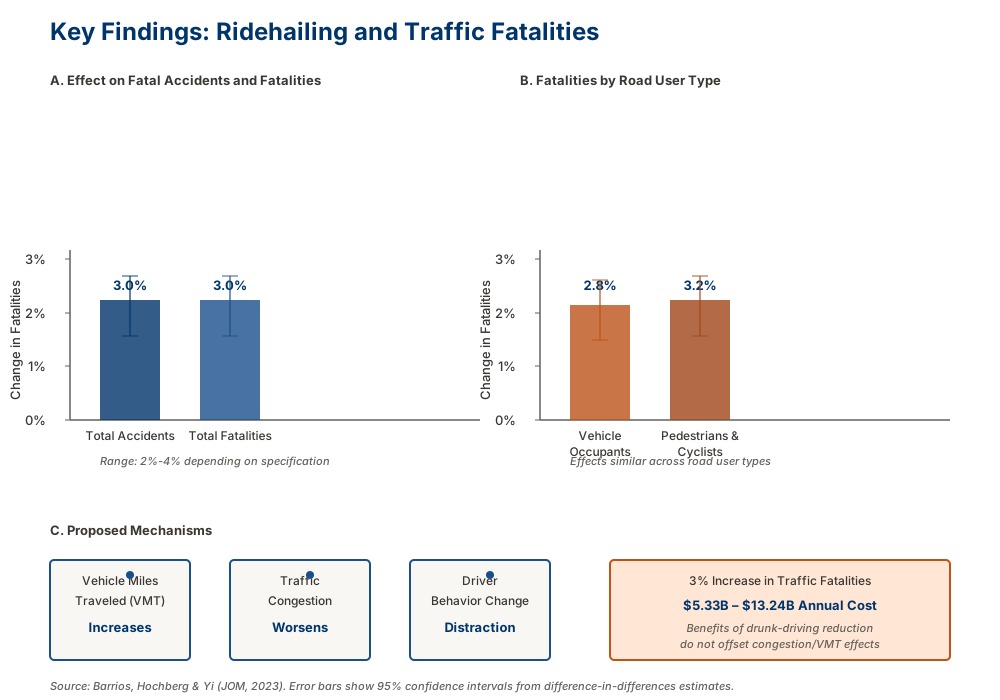
We examine the effect of the introduction of ridehailing in US cities on fatal traffic accidents. The arrival of ridehailing is associated with an approximately 3% increase in the number of fatal accidents, for both vehicle occupants and pedestrians. Consistent with ridehailing increasing road usage, we find that its introduction is associated with increases in proxies for traffic congestion and with new car registrations. Consistent with a driver quality channel, accident increases are concentrated in ridehailing-eligible vehicles and those with passenger configurations suggestive of ridehailing. Back-of-the-envelope estimates of the annual cost in human lives range from $5.33B to $13.24B. We propose various operational and policy prescriptions for the regulation of ridehailing operations that may help limit such externalities.
with Pietro Bianchi, Helena Isidro and Dhananjay Nanda
Abstract
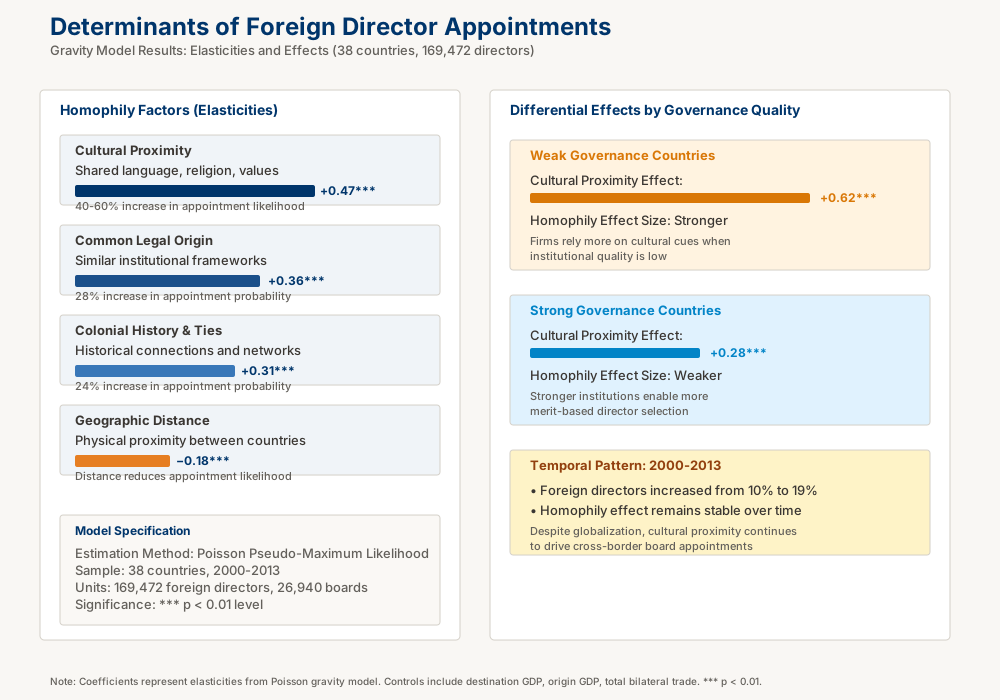
We examine how similarity in institutional, legal, and social characteristics between a firm's and its directors' home countries, that is, country-pair homophily, affects foreign director appointments. We estimate a gravity model that includes economic and geographic proximity and find that country-pair homophily is a significant determinant of foreign director appointments to corporate boards. We also find that country-pair homophily limits the appointments of foreign directors from high-quality governance countries to firms located in low-quality governance countries, which may reduce the role of board internationalization in promoting the global convergence of governance practices. We analyze changes in foreign director appointments around the international adoption of IFRS and Norway's gender-quota rule and find a higher appointment likelihood for directors originating from countries that are institutionally and culturally similar to that of the firm. Our findings point to the critical role that country-pair homophily plays in matching directors to boards, with implications for the diffusion of governance practices globally.
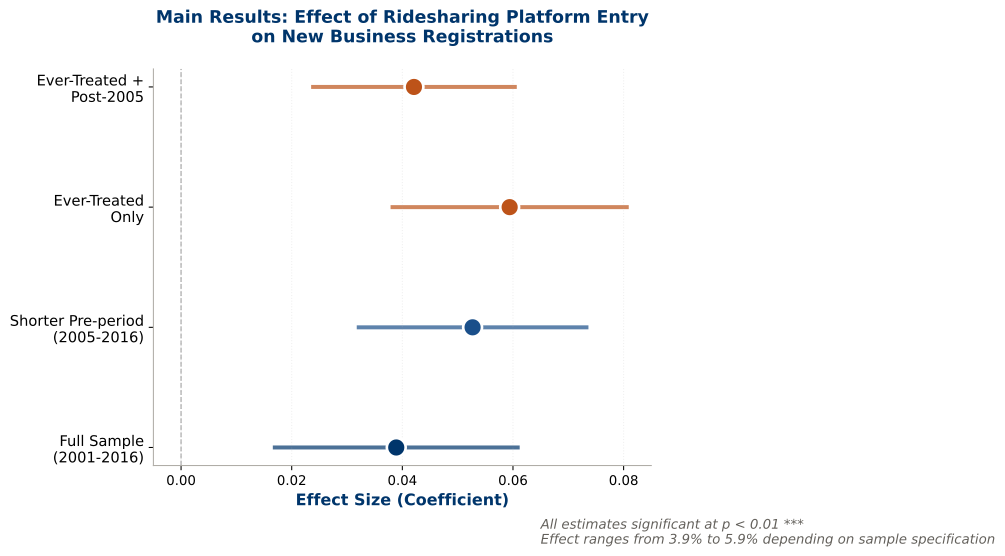
We utilize the staggered arrival of Uber and Lyft—large sources of on-demand, platform-enabled gig opportunities—in U.S. cities to examine the effect of the arrival of flexible gig work opportunities on new business formation. The introduction of gig opportunities is associated with an increase of ~5% in the number of new business registrations in the local area, and a correspondingly-sized increase in small business lending to newly registered businesses. Internet searches for entrepreneurship-related keywords increase ~7%. These effects are strongest in locations where proxies for ex ante economic uncertainty regarding the viability of new businesses are larger. Our findings suggest that the introduction of the gig economy creates fallback opportunities for would-be entrepreneurs that reduce risk and encourage new business formation.
Lead Article. AAA-AACSB-RRBM Award for Research Impacting Societal Challenges, 2025
Abstract
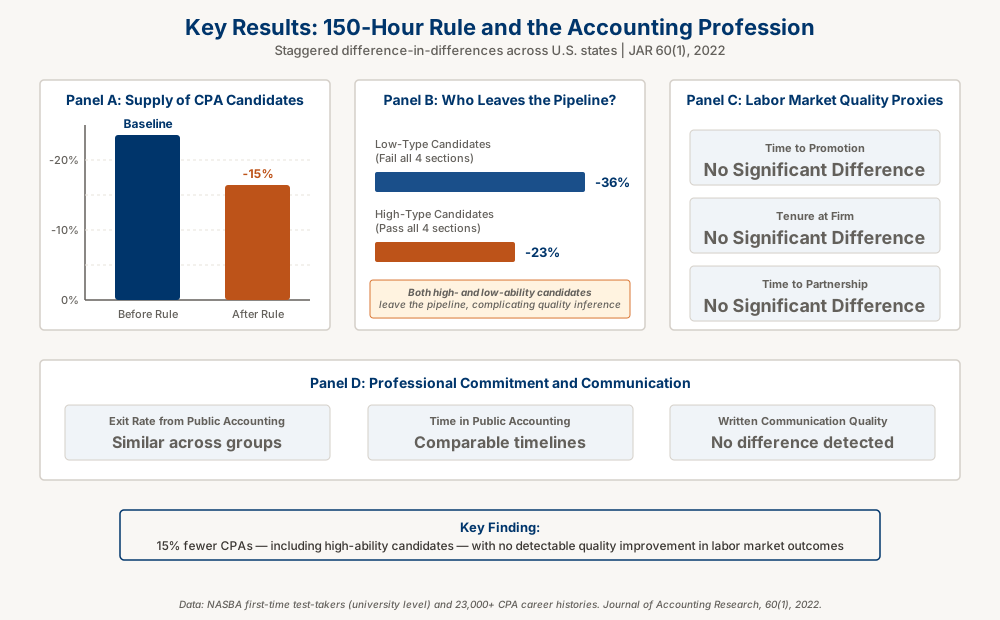
I examine the effects of occupational licensing on the quality of certified public accountants (CPAs). I exploit the staggered adoption of the 150-hour rule, which increases the educational requirements for a CPA license. The analysis shows that the rule decreases the number of entrants into the profession, reducing both low- and high-quality candidates. Labor market proxies for quality find no difference between 150-hour rule CPAs and the rest.
Moreover, rule CPAs exit public accounting at similar rates and have comparable writing quality to their nonrule counterparts. Overall, these findings are consistent with the theoretical argument that increases in licensing requirements restrict the supply of entrants and do little to improve quality in the labor market.
with Efraim Benmelech, Yael V. Hochberg, Paola Sapienza and Luigi Zingales
Abstract
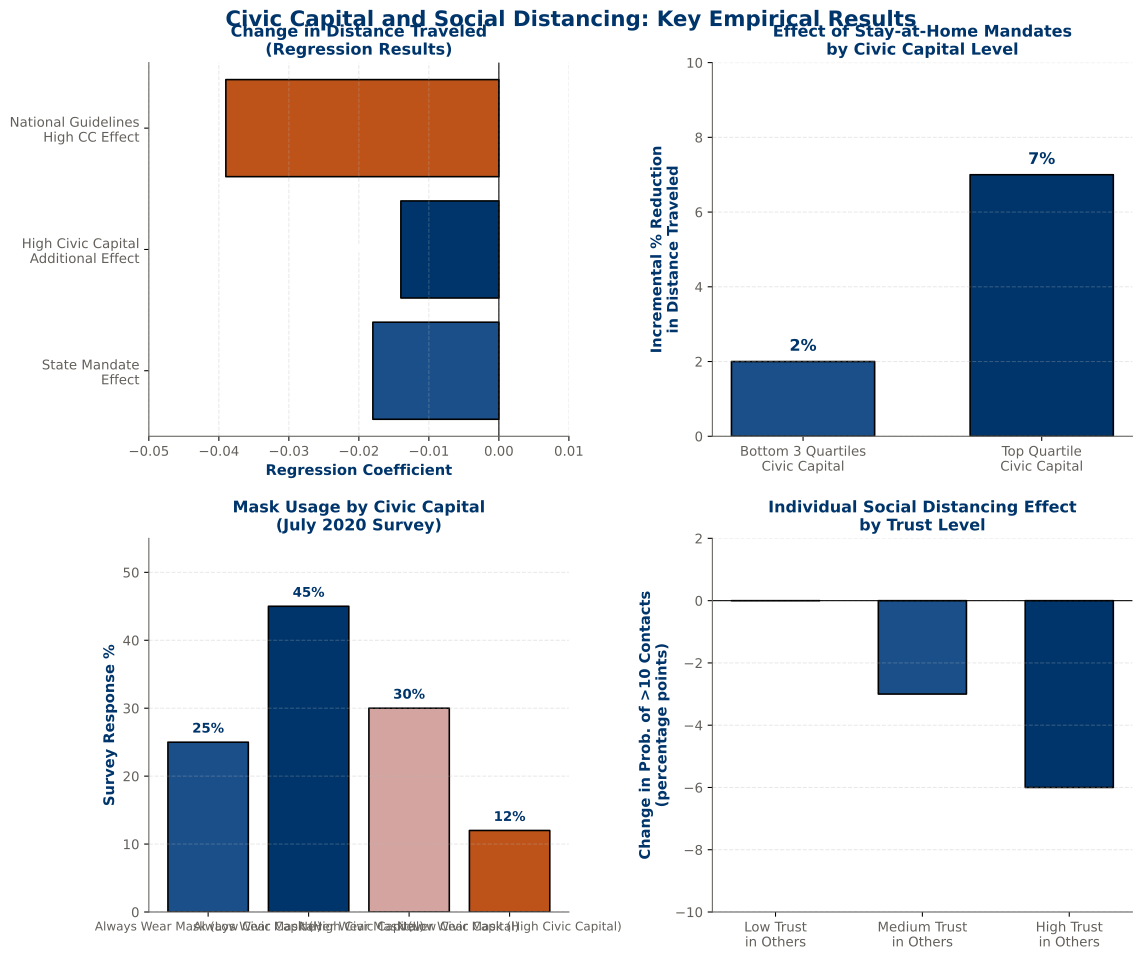
Using mobile phone and survey data, we show that during the early phases of COVID-19, voluntary social distancing was greater in areas with higher civic capital and amongst individuals exhibiting a higher sense of civic duty. This effect is robust to including controls for political ideology, income, age, education, and other local-level characteristics. This result is present for U.S. individuals and U.S. counties as well as European regions. Moreover, we show that after U.S. states began re-opening, high civic capital counties maintained a more sustained level of social distancing, while low civic capital counties did not. Finally, we show that U.S. individuals report a higher tendency to use protective face masks in high civic capital counties. Our evidence points to the importance of considering the level of civic capital in designing public policies not only in response to pandemics, but also more generally.
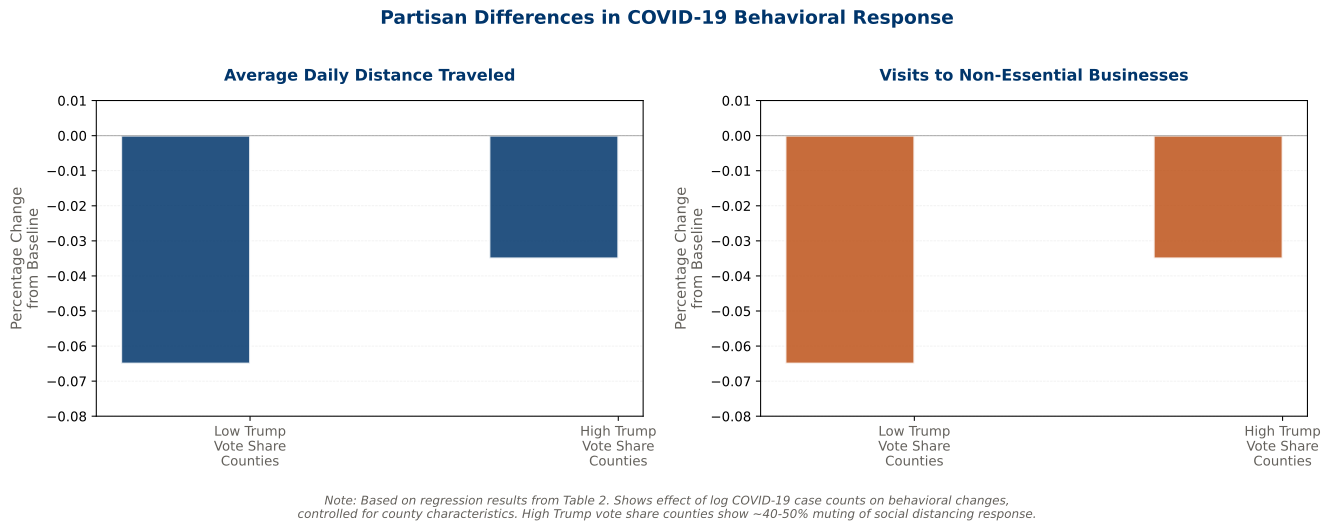
Politics may color interpretations of facts, and thus perceptions of risk. We find that a higher share of Trump voters in a county is associated with lower perceptions of risk during the COVID-19 pandemic. Controlling for COVID-19 case counts and deaths, as Trump's vote share rises in the local area, individuals search less for information on the virus and its potential economic impacts, and engage in fewer visits to non-essential businesses. Our results suggest that politics and the media may play an important role in determining the formation of risk perceptions, and may therefore affect both economic and health-related reactions to unanticipated health crises.